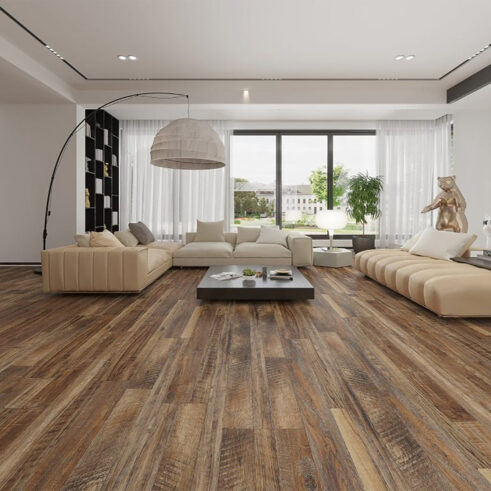
Flooring is one of the most important factors in interior design projects. Flooring not only serves as a surface to walk on, but also plays a vital role in enhancing the beauty, utility and comfort of the area. The first step in learning about flooring is to know the different flooring materials available in the market. Any property – be it residential, commercial, hospitality or retail – can be positively affected by good choice in flooring.
As internet technology improves, flooring designs continue to change, giving owners a chance to choose durable, functional materials for their properties in 2027. However, many flooring types are available on the market today. Below are some types of flooring materials that should be considered for any interior in the year 2027.
-
Porcelain Tiles
Because of their durability, practicality, and aesthetic appeal, porcelain tiles remain one of the favourite materials for residential and commercial interiors today. Porcelain tiles are made from purified clay and burned at extreme temperatures, making them sturdier than regular ceramic tiles. Their unique finish offers a range of colours, textures, patterns, and finishes that can mimic natural stone, marble, or wood.
One benefit of these tiles is their water-repelling property, which allows use in wet areas such as bathrooms, kitchens, hallways, and other surfaces that may be exposed to liquid. For 2027 trends, large-format porcelain tiles and those finished to look like natural stone deserve attention in modern interiors.
-
Ceramic Tiles
Ceramic tiles are another flooring option that can be used in a variety of residential and certain commercial applications. These tiles consist of clay and various other components, allowing producers to design and fabricate them in countless ways. They are also easy to clean and can tolerate moisture well if installed correctly, which makes them very affordable.
Ceramic tiles are particularly useful in kitchens, bathrooms, utility spaces, and lounges. However, durability may vary depending on the tile’s quality and type. You should also keep in mind that some tiles are simply better than others, considering slip resistance, thickness, surface texture, as well as the expected amount of foot traffic in a space.
-
Luxury Vinyl Flooring
Luxury vinyl flooring has become a popular alternative to conventional flooring materials because of its price, flexibility, and efficiency. This product comes in planks and tiles and features patterns of natural wood, stone, and other creative materials. Another major benefit of luxury vinyl flooring is that it’s comfortable to walk on, unlike many hard flooring options. Additionally, much of this flooring is water-resistant, with waterproof options available.
Choosing the right flooring goes beyond mere aesthetics; it entails other considerations such as durability and functionality. With so many materials available—from traditional wood flooring and practical porcelain tiles to luxury options like vinyl and modern polished concretefloors —choosing the right one can be challenging in 2027.
-
Hardwood Flooring
Hardwood floors bring unique, elegant beauty to homes and offices, fitting both classic and modern interior styles. These floors are made from various kinds of wood such as oak, walnut, teak and maple. Their natural patterns, colours and textures bring coziness to houses, giving them personal charm.
One of hardwood flooring’s main benefits is its long lifespan. When installed properly and well maintained, fine hardwood floors can last a long time. However, hardwood may not be the best choice in areas with humidity and temperature changes. Moreover, caring for wood flooring may take more time than caring for some other materials. Hardwood flooring materials works well in living rooms, bedrooms, executive offices, and other premium residential interiors.
-
Laminate Flooring Materials
Luxury laminate flooring is an economical substitute for real hardwood flooring. Usually, laminate floorboards consist of several layers, including a top decorative layer that looks like wood or stone. People choose laminate floors for their aesthetic appeal, easy installation, and low price.
Today’s laminate flooring is found in multiple thicknesses, textures and finishes. Some products even offer moisture-resistant features, making them more useful than conventional laminate floors.
At the same time, choose laminate flooring that meets the manufacturer’s moisture requirements, because not every type of laminate suits wet areas. Overall, it is a great solution for households and companies that want an elegant flooring option while keeping costs under control.
-
Natural Stone Flooring Materials
Natural stone floors offer an exquisite, unique look that elevates the aesthetics of any interior. Some of the most commonly used materials are marble, granite, limestone, slate and travertine. Each stone type has distinct colours, textures, and natural designs, offering a different look for every project. These materials are commonly used in luxury homes, hotels, waiting halls, and Class A offices.
Nevertheless, different stone types can vary widely in maintenance needs. Some stones are susceptible to external influences or require sealing against water and stains.
-
Polished Concrete Flooring Materials
Polished concrete is becoming more common in modern Industrial and minimalist styles. Essentially, polished concrete is a concrete surface that has been ground and polished to attain a smooth surface. The result is a concrete floor that looks modern yet retains the strength of the original concrete. Polished concrete is used in commercial offices, showrooms, retail facilities, and modern residential interiors. Advantages include durability, low maintenance, and suitability for minimalist style. Nevertheless, surface preparation, sealing and professional installation matter greatly in making sure that a high-quality result has been obtained.
Factors to Consider When Choosing Flooring Materials
- Strength: Choose flooring that can withstand the expected level of traffic.
- Cleanliness: Review the cleaning, repair, and maintenance process over time.
- Price: Compare the price of buying and installing the flooring.
- Water resistance: Choose materials suitable for kitchens, bathrooms, and other wet areas.
- Looks: Make sure the flooring works well with the furniture, wall finishes, lighting, and general interior design.
- Safety: Consider the floor’s slip-resistant properties, especially in bathrooms, kitchens, and other businesses.
- Eco-friendliness: Look for wood that has been sourced responsibly, recycled materials and those with environmental ratings.
Conclusion
Choosing the right flooring materials goes beyond mere aesthetics; it entails other considerations such as durability and functionality. Therefore, with so many materials available — from traditional wood flooring and practical porcelain tiles, to luxury flooring materials such as vinyl as well as modern polished concrete floors — selecting the appropriate one can prove quite challenging in 2027.
The right flooring depends on your budget, design style, functional needs, and maintenance requirements. Working closely with interior design specialists can simplify your decision and help you choose the right flooring type to match your overall design concept. So whether you want to remodel your private residence or develop commercial properties, investing in the right flooring choice will give you a pleasant, practical space for many years to come.