Interior Finishes Kenya is an experienced construction and interior finishing company, boasting of over 10 years of tangible experience in Kenya. All our construction activities are certified by all the regulatory authorities, signifying our dedication to the sector best practices. Our clientele ranges from private residential project to big multi-million contracts spanning over 3 years. By seeking our services, you are buying into our versatile experience in design and construction, and flawless project execution and management.
All gypsum works incorporated; ceilings and wall partitions.
Ceiling Systems
Different types of ceilings and the finishes incorporated.
Partitioning
All types of partitions, gypsum, aluminium & glass
Flooring Installation
All types of flooring designs; SPC, SPC Vinyl etc.
Wall Finishes
All the types of finishing in interior and exterior design
Decorative Finishes
All the finishes within interior and exterior design
Joinery Installation
Every tool and material used in joinery works and built-ins
Painting & Coatings
Experts in all types of Paints and painting applications.
Cladding Works
All types of cladding and material used for cladding.
Acoustic Solutions
All the types used to regulate sound within interior design spaces
Our Construction and Interior Finishes Portfolio
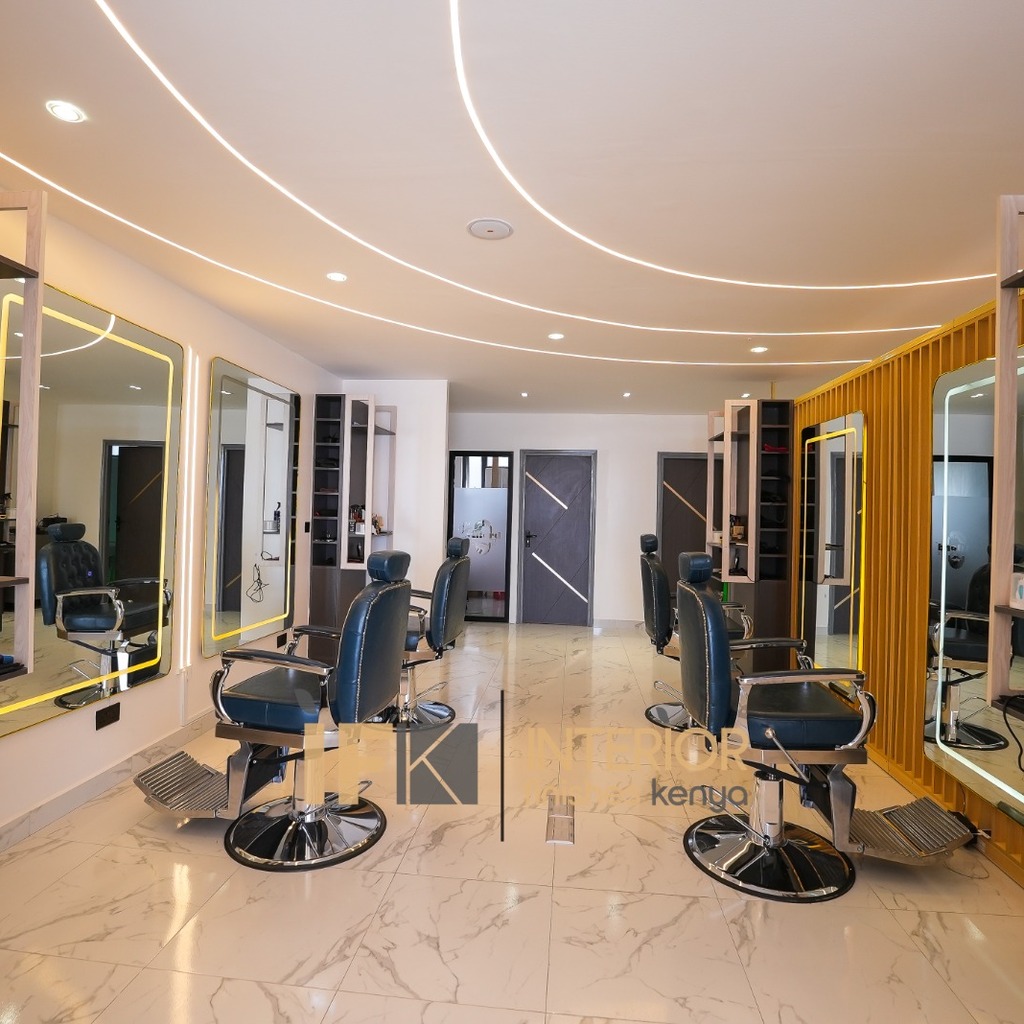
Mi Lord Barber and Spa
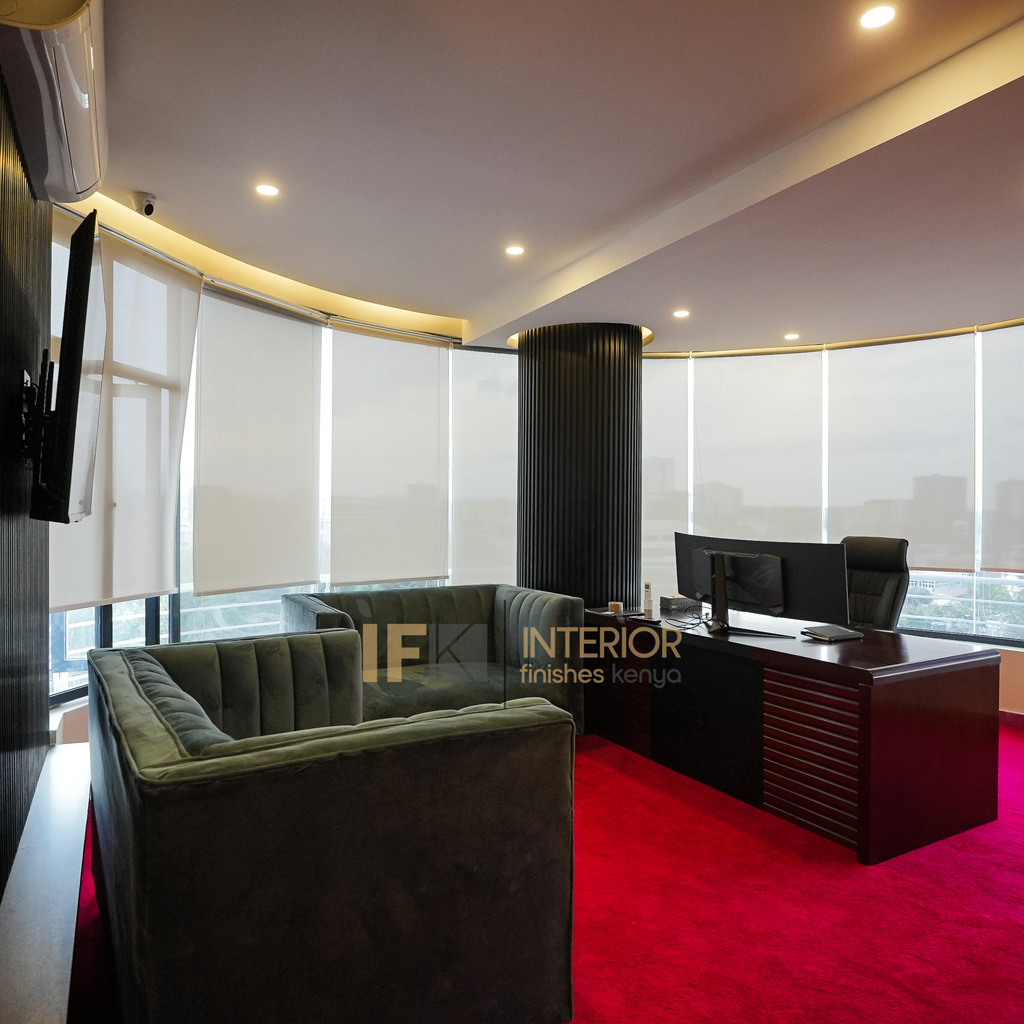
Gallant Project
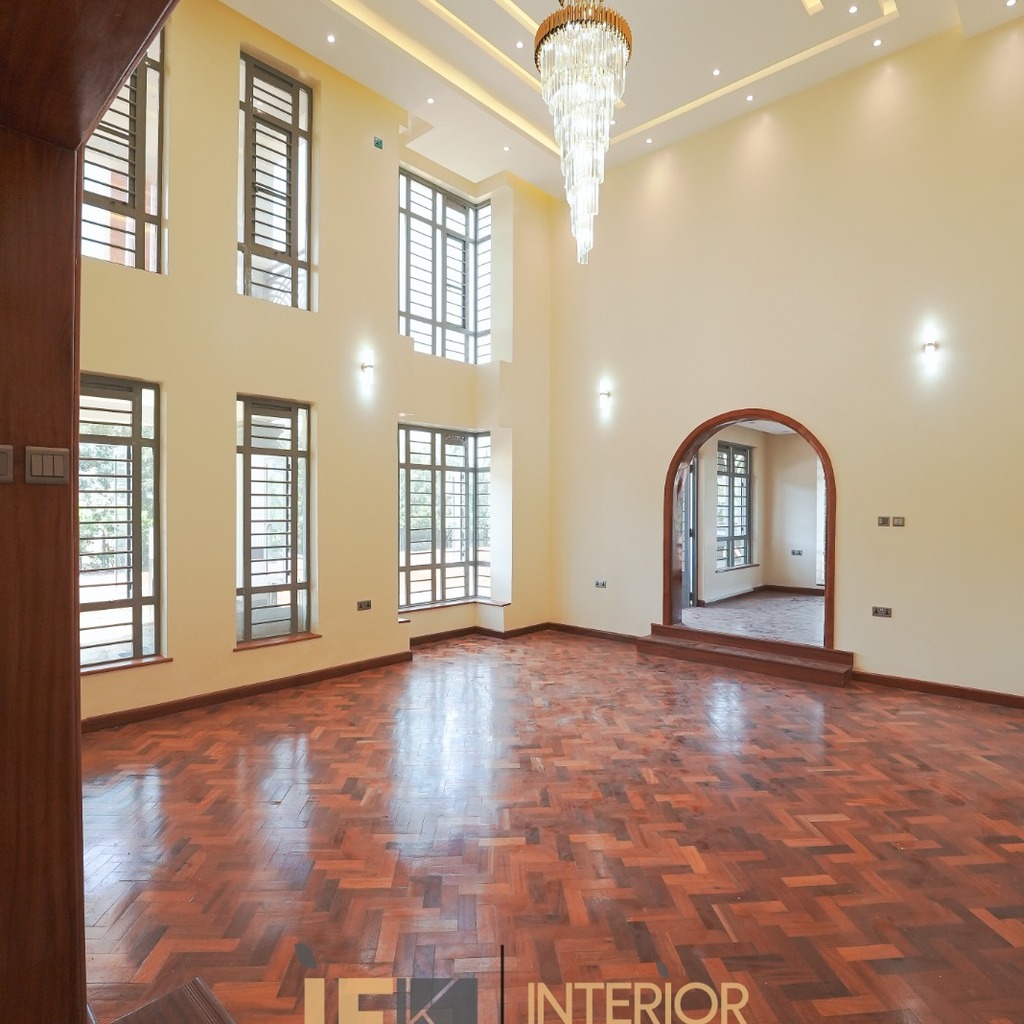
Machakos Project
Construction and Interior Finishing Frequently Asked Questions
What is interior finishing in Construction
It is the process where interior designers use to polish and make walls, surfaces and ceilings smooth and presentable. There are several ways you can handle interior finishing based on the type of surface, space functionality, surrounding and aesthetics intended.
Is there a difference between Interior and Exterior Design Finishing?
Yes
In interior works, the type of material and surface texture differs due to the atmosphere and use for the space. Most people prefer a rough texture for exterior wall design, and a more polished/smooth finishing for interior surfaces.
What are the 3 types of finishing?
Functional Finishing: aesthetic or to enhance utility of the Space.
Chemical Finishing: Wet finishing applied to manage adaptability especially to harsh conditions.
Performance Finishing: improve durability or increase surface longevity.
What the most common types of finishes?
Flat Finish – non reflective (good for bedrooms and study areas)
Satin Finish – subtle glow (good for kitchen and hallway)
Glossy Finish – Reflective glow (good for furniture and cabinets)
Eggshell Finish – sheen (good for open areas such as living rooms)
What are the stages in civil construction
Concept Sketching – Ideation
Designing – Summing up all the ideas into a plan. Preparation – getting the necessary documentation and permits from authorities
Procurement – getting all materials and resources you need.
Civil Works – construction and plan actualization
Commissioning – ensuring every aspect is in place and working.
Handover – inspection and submitting the project back to the owner.
Which are the types of construction in interior design?
Residential – private homes and residences
Industrial – business parks and large business areas.
Commercial – corporate offices and other small scale commercial centers.
There is also infrastructure construction, although that is more of civil construction than interior design.
What are the commonly used examples of finishing?
Polishing – removing imperfections to create a clear appearance.
Buffing – enhancing the surface texture for a more visible appeal.
Sanding – cleaning and preparing surfaces as a way of preventing contamination.
Painting – (spraying or electrostatic) enhance aesthetics and prevent corrosion.
What are the examples of finishing materials
Paint – enhance aesthetics and prevent corrosion.
Wallpapers – improve space aesthetics and easy installation.
Varnishes – preventing woods surfaces from any form of moisture
Sealants – preventing woods surfaces from any form of moisture
What are the most common types of construction method?
Precast Flat Panel – creating the building floor and walls offsite.
Flat Slab – using heavy duty columns to support the building from below
Concrete Walls and Floors – using cement to create the floor and walls of a building.
Twin Wall Technology – creating two parallel walls and filling the space in between with concrete.
In all the stages of Construction and Interior Finishing, which one is the most important?
Planning is the most essential part in any civil works. It defines the project scope, spells what the project needs (materials and human resource) and expected outcome from the whole exercise. Without a plan, it will be difficult to start, manage and finish any construction and interior finishing activity.