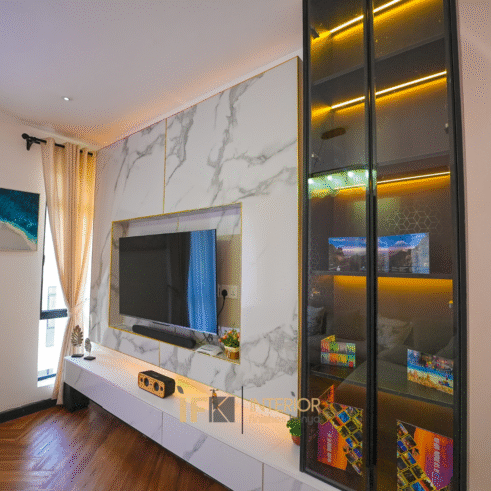
Interior finishes inside are critical since they define the look, functionality, and value of the entire building. This means that whether one is building a newly-built house, redesigning a workplace, or modifying their business premises, using the right interior specials can help them make their place stylish, comfortable, and durable.
As far as they are concerned, they include flooring options, wall covering, ceilings, custom cabinetry, and decorative elements. They are the last addition to the design of a building, performing the function of improving the appearance of the space and making the place convenient for its users.
What Are Interior Finishes?
The term “interior finishes” is applied to combinations of materials, coatings, treatments, and decorative elements that are used on the inside surface of a building once construction is completed. They are used for flooring, walls, ceiling, doors, windows, as well as furniture pieces that are created as a part of the interior design process.
The main function of interior finishing is to enhance the look and usability of the interior environment. Quality work serve as a protective coat of the surfaces, as well as a part of the general concept of design.
Why Interior Finishes Are Important
The role of interior finishes is more than decorative. It determine the functionality, atmosphere, and performance of space.
Improve Visual Quality
Interior finishes can significantly improve the aesthetics of a particular space. A good combination of finishes makes it possible to achieve coherence of colors, textures, materials, and furniture in the interior.
Increase Strength
High-quality interior finishes contribute to the protection of walls, floors, and ceilings against dampness, stains, scratches, and wear. Accordingly, this protection prolongs the lifespan of any interior while lowering its maintenance expenses.
Increase Cost
Properly designed interior finishes can lead to a significant increase of residential and commercial property values. Potential buyers and tenants usually prefer properties with fashionable, durable, and esthetically pleasing finishes.
Types of Interior Finishing
Various types of interior finishes are available, and it helps to know about them so that property owners and designers make the right choice.
Flooring Finishes
Flooring is one of the main interior finishing concept that contributes to comfort level, durability, as well as aesthetics.
Common flooring finishes are:
- Ceramic and porcelain tiles.
- Luxury Vinyl Tiles.
- Natural stone.
- Product used as wall-to-wall carpet.
- Carpet tiles.
- Polished concrete.
- Hardwood
- Laminated
- Vinyl
The type of flooring used will depend on the budget, as well as factor like floor traffic, and other factors related to cleaning and design.
Wall Finishes
Wall finishes contribute to the atmosphere and character of the room as well as protecting the walls from damage.
Common wall finishes include:
- Painted walls.
- Wallpapers
- Decorative panels.
- Stone panels.
- Wooden walls.
- Textured plaster.
- Ceramic walls.
- Glass walls.
Paint is still the most commonly used interior finish owing to its price and variety in colors.
Ceiling Finishes
Ceiling finishes also play important role in improving the designing and functionality.
Common ceiling finishes include:
- Gypsum ceilings.
- Suspended ceilings.
- Acoustic ceilings.
- PVC ceilings.
- Wooden ceilings.
- Metal ceilings.
- Decorative ceilings.
Cabinetry and Joinery Finishing
Cabinetry and built-in furniture play an important role in today’s finishing.
Typical finishes include:
- Laminates
- Wood veneers
- High-gloss finishes
- Melamine boards
- Painted MDF
- Natural wood finishes
They are used extensively in kitchens, wardrobes, office furniture, and storage units.
Factors to Consider When Choosing Interior Finishes
When selecting the correct interior finishing concept, it is necessary to observe the different factors involved in the decision.
Budget
Budget is usually the first consideration when it comes to deciding on interior finishes. While high-end materials can provide top performance and appearance, it is important to go for finishes that will give you the best value for your money.
Durability
Various types of places have different durability requirements. For example, high-traffic places such as offices, commercial stores, schools, and hotels need more durable and tougher interior finishes.
Maintenance Needs
Certain types of interior finishes need frequent maintenance like cleaning, polishing, or refinishing. It is preferred to use materials that do not need much maintenance in crowded places and busy homes.
Design Style
The interior finishes used have to match the overall design theme. Whatever the goal of achieving a modern look, minimalist, classic, industrial, or contemporary style is, the finishes take an important role in accomplishing it.
Sustainability
Many owners of property are more and more opting for green types of interior finishes. Sustainable materials contribute to the improvement of quality of the air inside.
Popular Interior Finishes for Residential Spaces
Most of the time, homeowners look for finishes for their interiors based on their comfort level and appearance, among other things. Some of the more commonly used interior finishes in residential homes include:
- Porcelain floors
- Hardwood floors
- Colorful paintwork
- Gypsum ceilings
- Quartz worktops
- Wooden kitchen furniture
- Wall panels
- Vinyl flooring
The above mentioned types of finishes help make the atmosphere of living good and increase the value of the property.
Popular Interior Finishes for Commercial Spaces
Commercial projects demand interior finishes that are both durable and aesthetically appealing.
Some common interior finishing works used in commercial projects are:
- Carpet tiles
- Vinyl flooring
- Acoustic ceiling systems
- Glass partitions
- Wall finishes that are high-performance
- Metal ceiling systems
- Decorative reception wall finishes
These solutions enable companies to establish functional, attractive, and effective working environments.
Modern Trends in Interior Finishes
Interior design trends are turning towards the progressive innovations in interior finishes.
Eco-Friendly Interior Finishes
Usage of environmentally conscious paints, recycled raw materials, and responsibly sourced woods is becoming widespread nowadays.
Natural Finishes
Interior designers are using more natural stone, wood, bamboos, and textured materials to make their spaces feel warm and welcoming.
Minimalistic Interiors
Minimalism is still in vogue; thus, clean shapes, light colors, and polished surfaces make a huge impact on the interiors.
Textured Elements
Textured wall panels, plaster decorations, and 3D textures are used more and more to add volume and interest to the interiors.
High-Tech Finishes
Technology has become an unavoidable element of the modern world of interior design.
Benefits of Professional Interior Finishing
Hiring the services of skilled interior designers and finishing contractors helps to ensure that interior finishing is done correctly and according to quality standards.
Interior finishing services offer:
- Material choices are made properly
- Great workmanship
- Project management is made efficient
- Costs are controlled
- More durable material is used
- A better design is obtained
Owner’s guidance in their use helps avoid many costly mistakes and achieve better results.
Conclusion
Interior finishes are one of the important parts of creating a successful construction and renovation project. It plays a significant role in the look and the convenience of the interiors, but also in how functional and durable they are. Correct and tasteful finishes, such as flooring, wall treatments, ceilings, cabinets, etc., create professional and wealth-adding effectiveness of interior spaces.
When working on designing a house, office, hotel, shop, or any other commercial object, it becomes essential to ensure good quality finishes to make the building visually appealing. One can meet safety standards, use resistant materials, and still achieve the desired aesthetic effect if he/she chooses the right materials based on the budget, required quality of maintenance, and design goals.